Best Free Software to Copy Old DVDs and Rip to USB
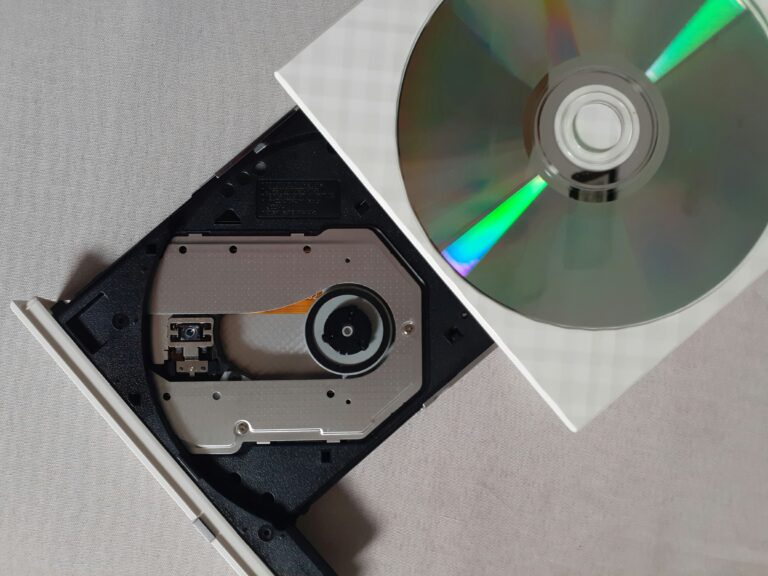
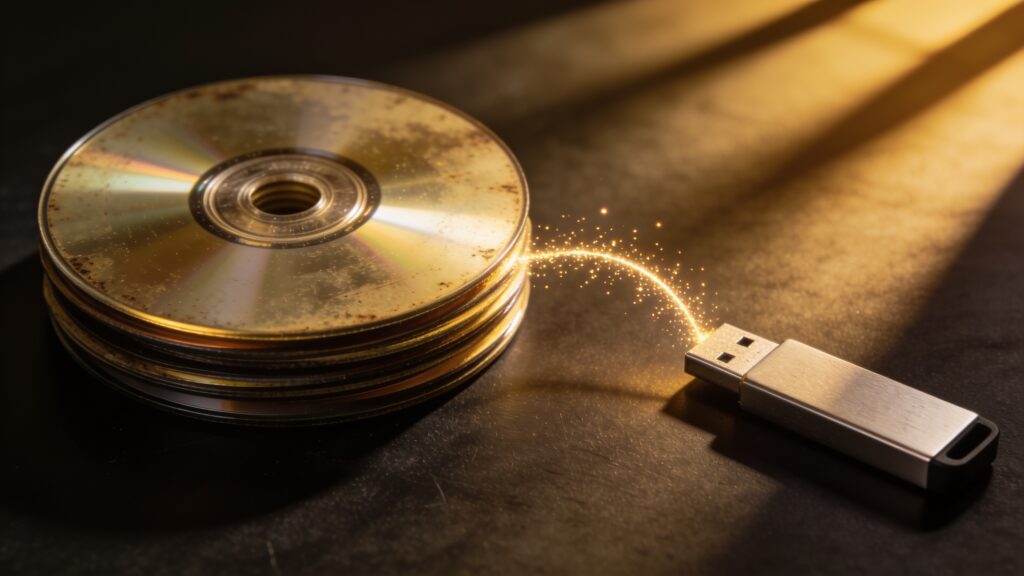
If you have a shelf full of DVDs slowly gathering dust, getting that content onto a USB drive is one of the smartest things you can do right now. Discs scratch, cases crack, and optical drives are disappearing from laptops fast. Moving your collection to a USB stick or external drive means you watch what you own, on any device, without hunting for a disc every time.
The good news is that several free tools handle this job well. Some are better for beginners, some give you more control over output quality, and some handle copy protection better than others. I have used all of the tools listed here on real discs, including older titles with aggressive protection schemes, so what follows is practical rather than theoretical.
What “Ripping to USB” Actually Means
Before picking software, understand what the process involves. Ripping a DVD means reading the video data from the disc and converting it to a file stored on your computer or directly on a USB drive. That file is typically an MP4 or MKV, though some tools preserve the original VIDEO_TS folder structure for full disc backups.
Copy protection is the complication. Most commercial DVDs have CSS encryption, and many have additional layers like region coding or ARccOS. Free software handles this in different ways, which is why tool selection matters.
The Best Free Options
HandBrake
HandBrake is my first recommendation for most people. It is open-source, updated regularly, and produces excellent quality MP4 or MKV files from unencrypted DVDs. The interface takes about 15 minutes to learn, and the preset system means you can pick “Fast 1080p30” and get a solid result without touching advanced settings.
The catch is that HandBrake alone cannot rip CSS-encrypted commercial DVDs. You need to install a separate library called libdvdcss alongside it. On Windows, you place the DLL file in the HandBrake program folder. On Mac, you install it via Homebrew. Once that is in place, HandBrake handles the vast majority of commercial titles without complaint.
Output goes wherever you direct it. Point the destination folder to your USB drive and the finished file lands there directly.
MakeMKV
MakeMKV is free for DVD ripping and has been for years. It wraps disc content into an MKV container with full subtitle and audio track preservation, which makes it ideal if you want a lossless archive rather than a compressed copy. Files are large, typically 4GB to 8GB per film, but every detail from the original disc survives intact.
The software handles copy protection well. It has built-in decryption that covers CSS and many other protection schemes without requiring third-party libraries. For older titles with quirky protection, MakeMKV often succeeds where HandBrake stumbles even with libdvdcss installed.
The workflow is simple. Insert disc, launch MakeMKV, click the drive icon, select your titles, pick a destination folder on your USB drive, and click “Make MKV”. That is the entire process.
VLC Media Player
VLC is primarily a media player, but it has a built-in disc ripping feature that many people overlook. Go to Media, then Convert/Save, select your disc, choose an output format and destination, and it converts the content to a file. Quality is decent and the tool handles CSS decryption because libdvdcss is bundled with VLC by default on most platforms.
VLC is the right choice if you want to avoid installing extra software and already have it on your machine. For occasional ripping of a handful of discs, it does the job cleanly.
DVD Shrink (Windows Only)
DVD Shrink is old, last updated in 2004, but it still works reliably on Windows 10 and 11 for backing up DVDs. Its main strength is compression. If a dual-layer disc is too large to fit a standard 4.7GB DVD or a smaller USB folder structure, DVD Shrink trims it down using quality-based compression that is adjustable per title.
It produces a VIDEO_TS folder or an ISO file rather than an MP4 or MKV, so it is better suited for archival purposes than playback on modern devices. Pair it with VLC to play back the output files.
Feature Comparison at a Glance
| Software | Platform | Output Format | Handles Encryption | Best For |
|---|---|---|---|---|
| HandBrake + libdvdcss | Win/Mac/Linux | MP4, MKV | Yes (with library) | Compressed, device-ready files |
| MakeMKV | Win/Mac/Linux | MKV | Yes (built-in) | Lossless archiving |
| VLC Media Player | Win/Mac/Linux | MP4, others | Yes (built-in) | Quick, occasional rips |
| DVD Shrink | Windows only | VIDEO_TS, ISO | Partial | Full disc backups |
Tips for Getting the Best Results
A few things consistently make the difference between a clean rip and a failed one.
- Clean your discs before starting. A microfiber cloth wiped from center to edge removes surface debris that causes read errors mid-rip.
- Rip to your computer’s hard drive first, then copy the finished file to USB. USB drives are slower to write to, and a slow write can cause timeouts on longer titles.
- For MKV files from MakeMKV, use HandBrake afterward to compress them down to a manageable size if storage space is tight.
- If a rip fails partway through, try MakeMKV even if you started with HandBrake. Its error recovery is stronger on physically worn discs.
- Always eject and reinsert the disc if the software fails to detect it cleanly on the first attempt.
My Recommended Workflow
Start with HandBrake plus libdvdcss for everyday ripping. You get compressed, portable files that play on phones, tablets, smart TVs, and computers without any conversion step. For anything HandBrake struggles with, switch to MakeMKV. Keep VLC installed as your player and your fallback ripping tool. That three-app setup covers every situation I have run into across hundreds of discs.
Once your files are on USB, organize them in clearly named folders by title. A USB drive with 100 films in a flat, unlabeled pile is a nightmare to navigate six months later.
Your collection took years to build. Taking an afternoon to preserve it properly is time well spent.